
Trim
Finish Carpentry for Residential and Commercial Spaces
Trim in Wendell and Raleigh for baseboard installation, crown molding, and door and window casing that completes interior remodels
Gaps between drywall and flooring, unfinished door frames, and bare wall-ceiling transitions leave rooms looking incomplete even after painting and flooring are finished. Trim installation covers those gaps with profiled wood or composite molding cut and fastened to create clean lines and finished edges. NC Floor Wizards handles baseboard installation, crown molding installation, door and window casing, decorative trim and molding, trim replacement and repairs, and finish carpentry for residential and commercial spaces throughout Raleigh, using precise measurement and cutting that produces tight joints instead of the visible gaps that indicate rushed work.
Each piece is measured individually rather than relying on nominal room dimensions because walls are rarely perfectly straight or square, and flooring thickness varies depending on what was installed. Corners receive coped or mitered joints depending on molding profile and wall angle, and fasteners are placed to avoid splitting the trim while still providing secure attachment.
Schedule a consultation to review trim profiles and discuss installation details that match your project's finish level.
What Proper Trim Installation Accomplishes
Installation begins with layout and cutting, followed by test-fitting each piece before fastening to ensure joints close tightly and profiles align continuously around the room. Nail holes are filled and sanded flush if the trim will be painted, or left unfilled if stain or natural finish is planned. The work requires attention to reveal consistency around doors and windows so the casing sits at uniform distance from the jamb edge rather than wandering as it follows imperfect framing.
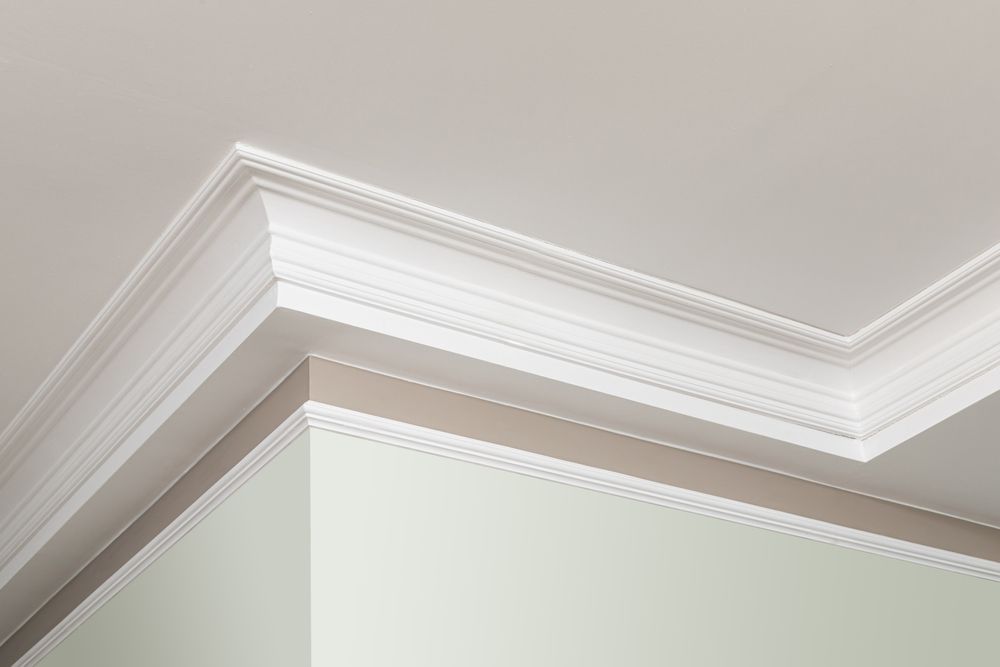
Once installed, trim hides the gaps where flooring meets walls, frames door and window openings with proportional casing, and adds visual weight at the ceiling line with crown molding that changes how room height is perceived. Baseboards protect drywall from vacuum cleaners and foot traffic, and casing stiffens door jambs against the racking that occurs when doors are slammed repeatedly. Decorative trim and molding add detail to otherwise plain wall surfaces, breaking up large expanses of drywall with shadow lines and profile changes that create visual interest.
Trim replacement and repairs address damage from impacts, water exposure, or settling that has opened joints or cracked molding, restoring the clean appearance original installation provided. Wood trim accepts paint or stain, while composite options resist moisture and insect damage better but limit finish choices to paint because the material doesn't absorb stain uniformly.
What Property Owners Usually Ask
Questions about trim installation often focus on material selection, joint techniques, and how the work integrates with other finish carpentry or remodeling projects.
What's the difference between coped and mitered inside corners on baseboard?
Coped joints involve cutting the profile of one piece to fit against the face of another, which maintains a tight fit even as wood shrinks or walls shift slightly, while mitered corners gap open when seasonal humidity changes cause the trim to expand or contract.
How do we select baseboard height and crown molding size for a room?
Taller baseboards and larger crown molding suit rooms with higher ceilings and create more visual weight, while shorter profiles work better in standard eight-foot rooms where oversized trim makes the space feel compressed.
When should trim be installed in relation to painting and flooring?
Baseboard goes on after flooring is finished so the molding covers the expansion gap required around wood or laminate, and all trim is installed before final painting so caulk lines and nail holes receive finish coats along with the walls.
What causes trim joints to open up after installation?
Joints separate when wood loses moisture and shrinks during winter heating cycles in Wendell homes, or when fasteners were placed too far from corners to pull the pieces tightly together during installation.
How does composite trim compare to solid wood for durability?
Composite materials resist rot and insect damage in moisture-prone areas like basements or bathrooms, but they dent more easily under impact and can't be sanded and refinished like solid wood if the painted surface becomes damaged over time.
NC Floor Wizards provides trim installation and finish carpentry that completes remodeling projects with the same attention to detail applied to flooring and
painting work. Request an estimate to discuss trim profiles, material options, and project scheduling that coordinates with your other planned improvements.